

What we're doing here
Since 2014, we've been running financial workshops that help people understand money in practical terms. Not abstract theory about makroekonomija or academic frameworks—actual budgeting, milestone planning, emergency fund building, and the kind of decisions you make when paying down debt or saving for something specific.
How this started
We noticed a gap. People wanted to learn about personal finance but most resources either dumbed things down to the point of uselessness or assumed you already had an economics degree. The middle ground—practical, action-focused workshops that treat participants like capable adults—was basically missing.
So we built it ourselves. Started small in 2014 with local groups in Mayo, testing different formats until we found what actually worked. Turns out people learn best when they're working through real scenarios, making actual decisions, and getting immediate feedback on whether their approach makes sense. Not watching slides. Not memorizing formulas. Doing the thing.
Over time we added online tools, collaborative exercises, and step-by-step assignments that let people practice between sessions. The core idea stayed the same: if you want to get better at financial planning, you need to actually plan finances. Repeatedly. With guidance. Until the process becomes second nature.

What drives our approach
Practice over theory
You don't learn financial planning by reading about it. You learn by building budgets, stress-testing scenarios, and working through the uncomfortable decisions that come up when your income doesn't match your goals. Our workshops are structured around doing—with enough support to avoid costly mistakes but enough freedom to make real choices.
Collaborative learning
Financial planning feels isolating because most people don't talk about money openly. We create environments where participants can compare approaches, discuss trade-offs, and learn from each other's reasoning without the awkwardness that usually surrounds these conversations. Group exercises reveal patterns you'd never notice working alone.
Skills that transfer
The point isn't to memorize our specific framework. It's to develop judgment about resource allocation, risk assessment, and long-term planning that applies regardless of your financial situation. Whether you're managing household expenses or business cash flow, the underlying thinking process is the same. We focus on building that foundation.
Who runs this
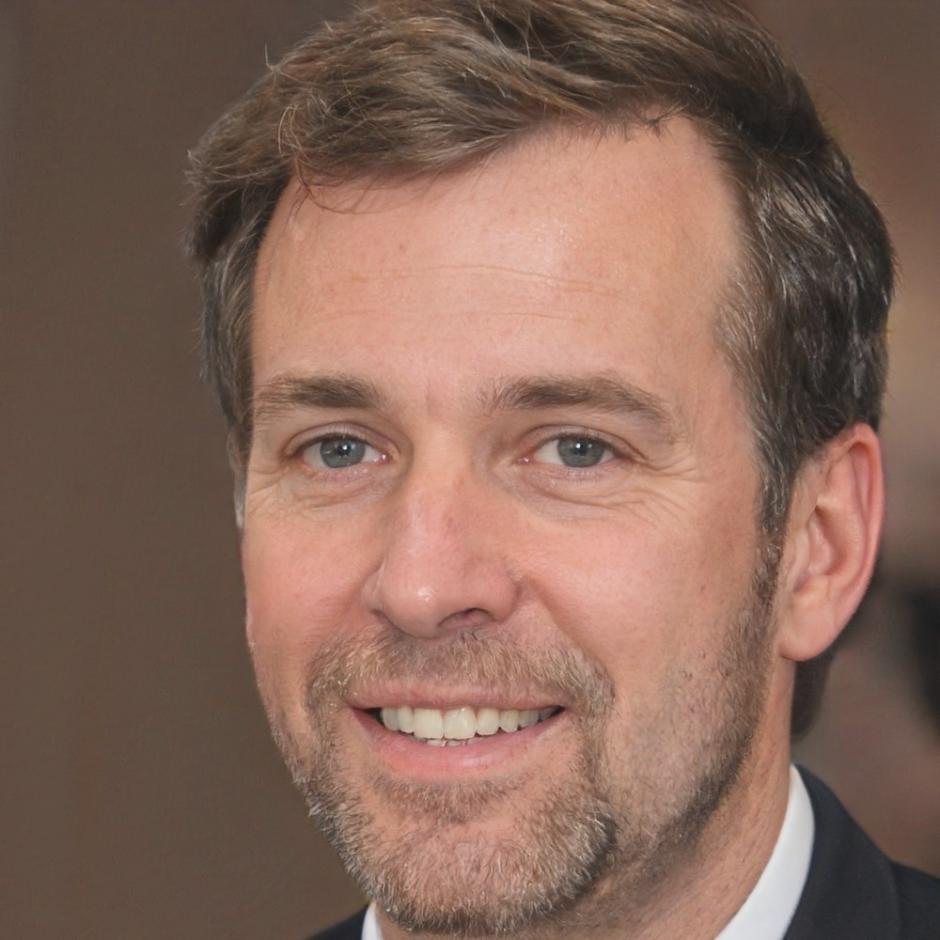
Gareth Finnegan
Workshop Lead
Spent twelve years in banking before realizing most financial education completely misses the point. Built Tulandro's core curriculum based on what actually helps people make better money decisions—not what looks good in a syllabus. Still runs about half our workshops personally because designing exercises is one thing, watching people struggle through them is how you learn what works.
How our workshops work
We've refined this over hundreds of sessions. The structure isn't arbitrary—each element addresses a specific problem we've seen people encounter when trying to improve their financial planning skills.
Assess current state
You start by mapping your actual financial situation. Not aspirational. Not rounded. The real numbers. This baseline tells you where you're starting from and prevents the kind of vague planning that never translates to action.
Set concrete milestones
Define specific financial targets with dates and dollar amounts attached. Vague goals like "save more" don't work. Concrete milestones like "build three-month emergency fund by September" give you something to plan toward and measure against.
Build allocation strategy
Decide how to distribute your income across competing priorities. This is where most people get stuck—everything feels important. Our exercises force trade-off decisions that reveal your actual priorities versus what you think they should be.
Test and adjust
Run your plan against realistic scenarios: unexpected expenses, income changes, timeline shifts. See what breaks and why. Adjust your approach before you encounter these situations for real. Repetition builds the pattern recognition that makes future planning faster and more accurate.